Cell Fie Biology Design: A Designer’s Review
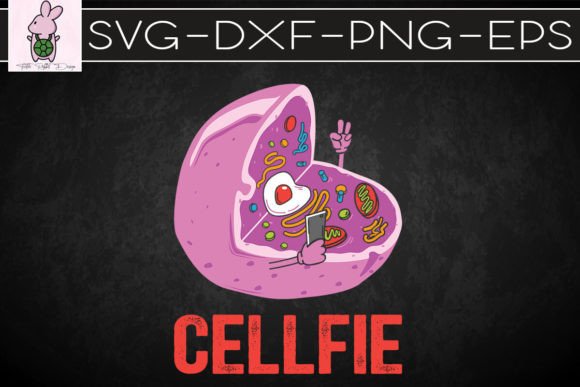
As an embroidery designer who has spent years digitizing patterns and troubleshooting stitch-outs for clients, I approach every new graphic with a critical eye. We are not just looking for cute images; we are looking for viability. Can this design survive the tension of the hoop? Will it read clearly on textured fabric? Does it hold up after five washes? Today, I am evaluating Cell Fie Funny Science Biology Teacher, a digital asset that bridges the gap between educational humor and modern craft aesthetics.
The concept is immediately engaging. It plays on the ubiquitous "selfie" culture but grounds it in the microscopic world of biology. For teachers, students, and science enthusiasts, this isn’t just a clipart image; it is a statement piece. However, my job is to look past the novelty and assess its performance as a functional machine embroidery design or cut file. Whether you are an Etsy seller looking to expand your craft business inventory or a hobbyist making a personalized gift, understanding the technical realities of this graphic is essential before you commit thread to fabric.
First Impressions: Visual Personality and Layout
The first thing that strikes me about Cell Fie Funny Science Biology Teacher is its balanced composition. In the world of Graphics and Crafts, clutter is the enemy of clarity. This design appears to rely on bold outlines and recognizable shapes—likely a cell character holding a phone or camera. This simplicity is a strength. Complex, overly detailed illustrations often fail in embroidery because the needle cannot replicate the nuance of a pixel-perfect digital drawing. By keeping the visual personality friendly and the lines distinct, this design sets itself up for success across various mediums.
The mood is lighthearted and professional enough for a classroom setting yet fun enough for casual wear. This duality makes it versatile. When I visualize this as an embroidery project, I see it working best where there is enough surface area for the details to breathe. The layout suggests a central focal point, which is ideal for left-chest placements on shirts or centered designs on tote bags. It avoids the trap of being too wide, which can cause registration issues on smaller hoops, or too tall, which might distort on curved surfaces like caps.
Real-World Application: From Digital File to Finished Product
Let’s talk about a real-life scenario. Imagine you are preparing a custom order for a high school biology teacher who wants a unique gift for her department head. You decide to create a high-quality canvas tote bag design. This is where the rubber meets the road. If you are using this as a cut file for vinyl, the process is straightforward: weed, press, and done. But if you are translating this into an embroidery file, you must consider stitch types.
For a project like this, I would recommend a combination of satin stitch for the outlines and text, and a light fill stitch for any larger colored areas within the cell character. Satin stitches provide that premium, raised look that customers associate with high-value handmade products. However, if the design includes tiny details, such as the eyes of the cell or the screen of the phone, you must ensure they are not too small. Tiny elements can get lost in the fabric texture or break during wear.
This design also shines in custom apparel. Picture it on a heather grey sweatshirt embroidery project. The contrast between the bright thread colors and the muted fabric would make the "Cell Fie" pop. It is equally effective for baby embroidery items, such as a onesie for a science-loving parent, provided the scale is reduced appropriately. The key is maintaining the integrity of the joke—the viewer needs to instantly recognize the "selfie" pose even from a distance.
Technical Considerations and Fabric Compatibility
While Cell Fie Funny Science Biology Teacher is visually appealing, it requires careful handling depending on your substrate. Not all fabrics behave the same way under the needle. Here is where my experience as a reviewer comes into play. You must consider where this design should be used carefully.
- Stretchy Fabric: If you are embroidering on a t-shirt or jersey knit, you must use a cut-away stabilizer. The design’s outlines need support to prevent puckering. Without proper stabilization, the circular shapes of the cell may distort into ovals.
- Textured Fabrics: On towels or fleece, fine details can sink into the pile. If you are making a holiday embroidery gift like a kitchen towel, consider using a topping stabilizer to keep the stitches on the surface.
- Dark Fabric: Thread color contrast is vital. If stitching on navy or black, ensure your thread choices are vibrant. Pastels may disappear. Always test your thread colors on a scrap piece of the actual fabric before starting the final finished product.
- Curved Surfaces: For caps or hats, the design must be narrow. If the "Cell Fie" graphic is too wide, it will wrap around the curve of the cap awkwardly. Check the width dimensions against your cap frame capabilities.
Another critical factor is stitch density. If this design is converted into an embroidery file with too many overlapping stitches, it can become stiff and heavy. This is particularly problematic for baby clothes or lightweight summer tops. A lighter density with strategic underlay stitches will keep the garment soft and wearable. Conversely, if it is too sparse, the fabric background will show through, ruining the visual appeal.
Enhancing Brand Value and Customer Trust
For small shop product creators and commercial embroidery professionals, the choice of design directly impacts brand perception. Using a well-balanced, humorous design like Cell Fie Funny Science Biology Teacher signals that you understand your niche audience. It shows you are not just selling generic items, but curated design assets that resonate with specific interests.
When customers see a clean, crisp stitch-out, their trust in your craftsmanship increases. This leads to higher engagement, better reviews, and repeat business. Whether you are creating an embroidered patch for a science club or a pillow cover for a teacher’s lounge, the professionalism of the execution matters. A messy stitch-out devalues the humor; a sharp, clean execution elevates it.
Furthermore, this design works well for printable mockup previews. Because the shapes are distinct, it renders well in digital simulations, allowing you to showcase the product effectively on your online store before you even stitch a single thread. This efficiency is crucial for managing inventory and reducing waste in your craft business.
Practical Designer Notes for Best Results
Before you load this design into your machine or cutting software, take a moment to review these practical steps. They are the difference between a good project and a great one.
- Test on Scrap Fabric: Never skip this step. Stitch out the design on the same type of fabric and stabilizer you plan to use for the final item. Check for puckering, thread breaks, or registration errors.
- Check Licensing: The product description notes it is a digital image suitable for Cricut and Silhouette. If you plan to use it for embroidery, ensure you have the right to convert it or that an embroidery-specific version is provided. Always confirm licensing terms for commercial embroidery sales.
- Review Scale: Resize the design to fit your intended hoop size. Ensure that any text remains legible at the reduced size. If the text becomes too small, consider removing it or enlarging the overall design.
- Contrast Check: View the design in black and white. If the details disappear in grayscale, they will likely get lost in the stitching. Adjust your thread choices to ensure high contrast.
- Stabilizer Selection: Match your stabilizer to your fabric. Use tear-away for stable woven fabrics and cut-away for knits. Proper stabilization is non-negotiable for professional results.
In conclusion, Cell Fie Funny Science Biology Teacher is a strong contender for your next creative project. It offers a blend of humor and relevance that appeals to a dedicated niche. By respecting the technical limitations of embroidery and choosing the right materials, you can transform this digital graphic into a standout handmade product. Whether for a wedding gift for a scientist couple or a fun addition to your Etsy listings, this design has the potential to perform well. Just remember: preparation is key. Test, adjust, and stitch with confidence.