Dear Teacher I Talk to Everyone so Movin: A Designer’s Review
As a designer who has spent years digitizing patterns and reviewing embroidery assets for real-world application, I approach every new file with a critical eye. We have all been there: downloading a cute graphic that looks perfect on screen but turns into a tangled mess of thread breaks and puckering once it hits the hoop. Today, I am taking a close look at Dear Teacher I Talk to Everyone so Movin, a digital design asset that sits squarely in the Crafts and Graphics categories. This is not just a visual critique; this is an evaluation of how this specific design performs when translated from a digital file into a tangible, stitched product.
First Impressions and Visual Personality
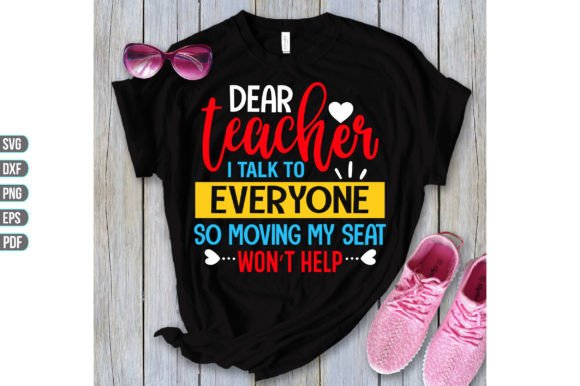
The first thing that strikes me about Dear Teacher I Talk to Everyone so Movin is its playful, conversational tone. It captures a specific mood—likely aimed at educators or school staff who pride themselves on being social hubs within their buildings. The layout suggests a balance between text and potential graphical elements, which is crucial for readability in embroidery. When I load the files included in the zip archive—specifically the SVG, PNG, EPS, DXF, and JPEG—I am looking for clean lines and logical separation of elements. For a machine embroidery design to succeed, the underlying structure must be sound. While this package is marketed as compatible with Cricut and includes vector formats like SVG and EPS, the transition to embroidery requires careful consideration of how those shapes convert to stitches.
The visual personality here is informal and friendly. It does not scream "corporate branding"; instead, it whispers "personal connection." This makes it an ideal candidate for personalized gifts and custom apparel where the wearer wants to express their approachable nature. However, the phrase "Movin" suggests motion or energy, which means the design likely relies on dynamic typography or directional elements. In embroidery, dynamic lines can be tricky. If the design features sharp angles or rapid direction changes, it will require precise digitizing to avoid thread bunching.
Real-World Application: The Tote Bag Test
To truly evaluate Dear Teacher I Talk to Everyone so Movin, I imagine placing it on a canvas tote bag. This is a staple item for teachers, used to carry books, papers, and personal items. A tote bag offers a large, flat surface area, which is forgiving for larger designs. If I were stitching this for a client, I would opt for a medium-weight stabilizer to prevent the fabric from distorting under the weight of the threads. The design’s legibility is key here. From a distance, a passerby should be able to read the message clearly. If the lettering is too thin or the spacing too tight, the stitch density might cause the letters to merge, ruining the aesthetic.
Another strong contender for this design is a sweatshirt. Sweatshirt embroidery adds a layer of complexity due to the fleece texture. The loops of the fabric can swallow small details. If Dear Teacher I Talk to Everyone so Movin includes fine lines or small decorative accents, they might get lost in the pile of a heavy cotton blend. In this scenario, I would recommend using a cut-away stabilizer rather than a tear-away to provide ongoing support for the garment as it stretches and moves. The contrast between the thread colors and the fabric color becomes paramount. A light thread on a dark navy sweatshirt will pop, but only if the stitch coverage is dense enough to cover the background fabric completely.
Navigating Technical Challenges
While the design is charming, there are areas where caution is necessary. One major concern with text-heavy designs is the size of the hoop. If you are attempting to stitch this on a embroidered patch or a cap, the curved surface of a hat can distort the text. Caps require specialized digitizing that accounts for the curvature; a flat design pulled over a dome will look warped. Unless the file provided is specifically digitized for caps, I would advise against using it on headwear without significant testing.
Furthermore, consider the fabric texture. Delicate fabrics like silk or thin rayon blouses are poor candidates for this type of design if it has a high stitch count. The tension required to pull the threads through can cause puckering, leaving permanent wrinkles around the design. For baby embroidery projects, such as onesies or bibs, comfort is the priority. A dense fill stitch area might feel stiff and irritating against sensitive skin. In these cases, I would look for ways to reduce density or use softer threads, ensuring the finished product remains soft and wearable.
Commercial Viability for Etsy Sellers
For the Etsy seller or small shop owner, Dear Teacher I Talk to Everyone so Movin represents a potential bestseller, particularly during the back-to-school season or teacher appreciation weeks. The niche is specific, which often leads to higher conversion rates. However, commercial success depends on presentation. Since this is a digital embroidery file package that includes SVG and PNG options, you have the flexibility to create hybrid products. You could use the SVG for heat-transfer vinyl on a shirt and the embroidery file for a matching tote, creating a bundled offer.
When listing this as a small shop product, transparency is vital. Ensure you understand the licensing terms associated with the download. Can you sell the physical items you make? Can you resell the digital file? Most standard licenses allow for the sale of finished physical goods but prohibit the redistribution of the digital asset itself. Always verify this before launching your campaign. Additionally, creating high-quality printable mockup images is essential. Show the design on various backgrounds—light linen, dark denim, bright cotton—to help buyers visualize the final result.
Practical Designer Notes for Best Results
Before you commit to stitching this on a final garment, follow these practical steps to ensure professional results:
- Test on Scrap Fabric: Always run a test stitch on the same type of fabric you intend to use for the final product. This reveals issues with tension and density.
- Check Thread Contrast: Use a color wheel to select thread colors that stand out against your fabric. High contrast improves readability, especially for text-based designs.
- Inspect Small Details: Zoom in on the preview. Are there tiny isolated stitches that might snag? If so, consider editing the file to remove or consolidate them.
- Use Proper Stabilizer: Match your stabilizer to your fabric. Knits need cut-away; wovens can often use tear-away. Hoop size matters too; ensure the design fits comfortably within your hoop with room for clamping.
- Verify File Compatibility: The package includes DXF and SVG, which are great for cutting machines like Cricut. If you are using an embroidery machine, ensure you have the correct format (such as PES, DST, or JEF) or use software to convert the vector data into stitch data properly.
Final Verdict
Dear Teacher I Talk to Everyone so Movin is a versatile asset for the right project. It shines in contexts where personality and approachability are valued, such as teacher gifts, staff appreciation items, and casual custom apparel. It is less suited for high-end formal wear or delicate fabrics due to the likely density required for clear text execution. For the craft business owner, this design offers a clear target audience and strong seasonal potential. By respecting the technical limitations of embroidery—choosing the right fabric, stabilizer, and hoop size—you can transform this digital file into a high-value handmade product that customers will cherish. Remember, the quality of the final stitch is just as important as the charm of the message.