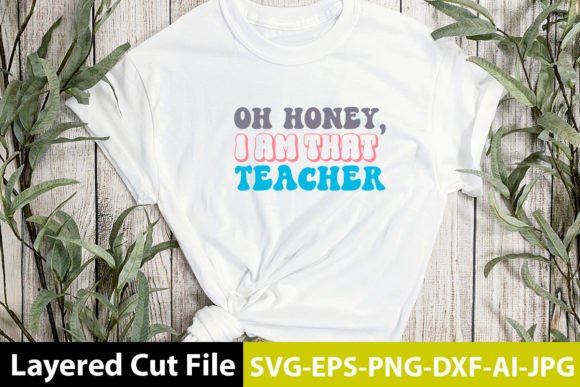
Review: Oh Honey, I Am That Teacher Retro Design
As an embroidery designer who spends more time staring at stitch maps than I do sleeping, I have learned to be skeptical of trendy digital assets. The market is flooded with design assets that look fantastic on a screen but fall apart under the needle. However, when I pulled up Oh Honey, I Am That Teacher Retro Design, my initial reaction was one of cautious optimism. This isn’t just another generic phrase; it carries a specific mid-century aesthetic that resonates deeply with current trends in education-themed apparel and gifts.
I approached this review not as a marketer, but as a maker preparing for a real-world embroidery project. My goal was to determine if this file holds up when translated from a digital embroidery file into thread and fabric. Here is my practical assessment of how this design performs in a professional setting.
First Impressions and Aesthetic Mood
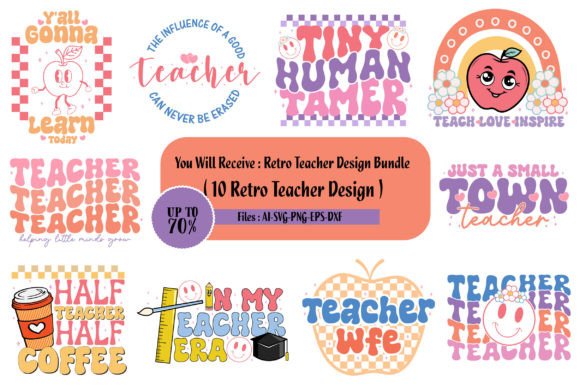
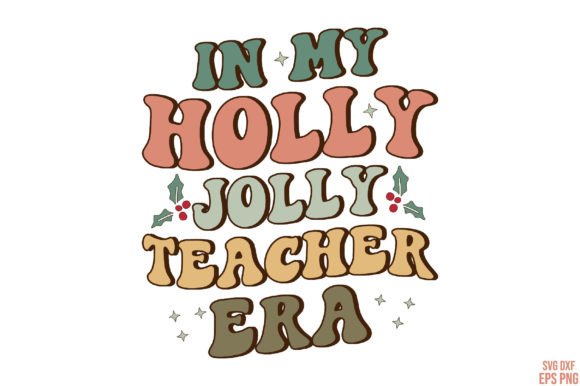
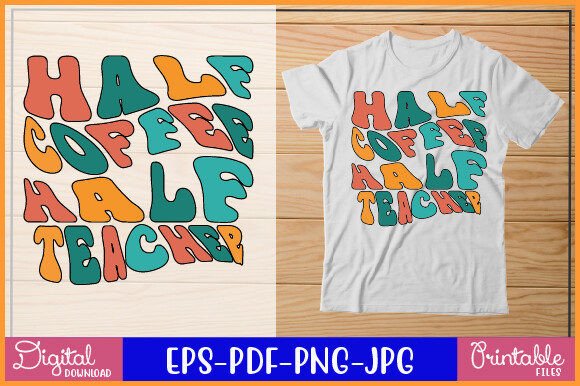
The first thing that strikes you about Oh Honey, I Am That Teacher Retro Design is its confident layout. The retro typography suggests a playful yet authoritative vibe, perfect for educators who want to express personality without sacrificing professionalism. From a design perspective, the balance between the text and any accompanying graphical elements feels intentional. It avoids the cluttered look that plagues many low-quality SVGs.
The mood is nostalgic but fresh. It fits seamlessly into the current wave of vintage-inspired Crafts and handmade goods. For an Etsy seller or small shop owner, this visual personality is crucial. It signals to the buyer that the product is curated and stylish, not just a mass-produced item. The design’s structure suggests it was created with layering in mind, which is essential for creating depth in both digital mockups and physical stitching.
Real-World Application: The Custom Tote Test
To truly evaluate a design, you must imagine it on a product. I visualized this design on a heavy canvas tote bag, a staple for teachers carrying books and supplies. The bold lines of the retro font would stand out beautifully against a natural or muted pastel fabric. In this scenario, the design acts as the hero element. It is large enough to be readable from a distance but detailed enough to reward closer inspection.
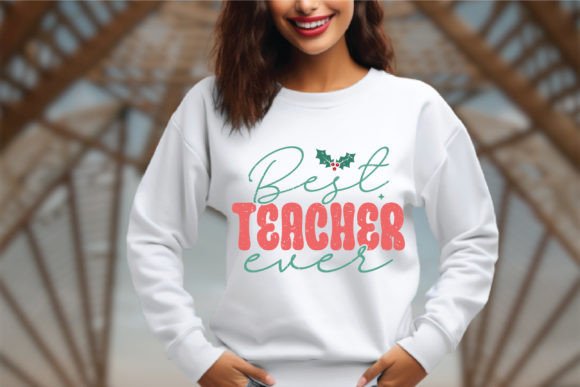
Beyond totes, I see strong potential for sweatshirt embroidery. Imagine this stitched on the chest of a crewneck sweatshirt in a contrasting thread color. The retro style pairs exceptionally well with the cozy, casual nature of teacher loungewear. It also translates well to custom apparel like aprons for art teachers or kitchen towels for home economics instructors. The versatility of the design allows it to move across different product categories within the Graphics and textile space without losing its identity.
Technical Performance and Stitching Considerations
While the provided description highlights that you receive six file types including SVG, PNG, EPS, AI, JPG, and DXF, it is vital to note that these are primarily vector and raster formats suited for cutting machines and graphic design software like Adobe Illustrator, Cricut, and Silhouette Studio. For machine embroidery, you will need to ensure you have the appropriate digitized version or use software to convert these vectors into a stitch file compatible with your embroidery machine.
When working with retro typography, stitch density is a critical factor. Thick, blocky letters can become dense and stiff if not properly programmed. If you are digitizing this yourself from the SVG, pay close attention to the underlay stitches. A proper underlay will prevent the fabric from puckering, especially on lighter materials. For those using pre-digitized files, always check the stitch count. High-density areas may require a cut-away stabilizer to maintain shape after washing.
The design’s clarity is another strength. The lines appear clean, which suggests that satins stitch borders or clean fill stitches will render well. However, be mindful of small details. If the design includes intricate retro flourishes, test them on scrap fabric first. Tiny elements can get lost or bunch up if the needle penetration is too aggressive.
Fabric Choices and Hoop Constraints
Not every fabric is a friend to retro designs. I recommend avoiding highly textured fabrics like loose-weave linen for this specific design, as the crisp edges of the letters might get obscured by the fabric’s grain. Instead, opt for smooth cotton blends, twill, or stable knits. These materials provide a flat surface that allows the thread colors to pop and the shapes to remain defined.
Hoop size is another practical constraint. Ensure your hoop is large enough to accommodate the full width of the phrase without crowding the edges. Crowding can lead to hoop burns or distorted stitching. If you are working on a curved surface, such as a cap, consider breaking the design into smaller sections or using a specialized cap frame to maintain tension. For baby embroidery items, scale the design down carefully, ensuring that the text remains legible and the stitch density is reduced to keep the garment soft against sensitive skin.
Commercial Viability and Brand Consistency
For craft business owners, consistency is key. Oh Honey, I Am That Teacher Retro Design offers a cohesive look that can anchor a collection. Whether you are creating holiday embroidery gifts for end-of-year presents or everyday personalized gift items, this design maintains a high level of perceived value. Customers associate clean, retro aesthetics with quality craftsmanship.
Using this design in your small shop product lineup can enhance brand recognition. It appeals to a specific demographic—teachers who take pride in their profession and enjoy a touch of whimsy. By offering this on various items like embroidered patches, pillows, or even as part of a bundle with other teacher-themed designs, you create a compelling narrative for your buyers. Always verify the licensing terms provided with the download to ensure you are compliant when selling finished products or using the files for commercial purposes.
Final Designer Notes
Before committing to a production run, always perform a test stitch. Check the tension on your machine and adjust as needed for the specific fabric you are using. Compare how the design looks on both light and dark backgrounds; you may need to add a backing or choose high-contrast thread colors for visibility. Remember, while the SVG and DXF files work great with cutting machines, embroidery requires specific digitizing considerations. Take the time to review the stitch path if you are converting the file yourself.
In conclusion, Oh Honey, I Am That Teacher Retro Design is a strong contender for your next project. It balances aesthetic appeal with practical application, making it a reliable choice for both hobbyists and professional commercial embroidery ventures. With careful attention to stabilizer choice and stitch density, this design can elevate your handmade products from simple crafts to standout pieces.