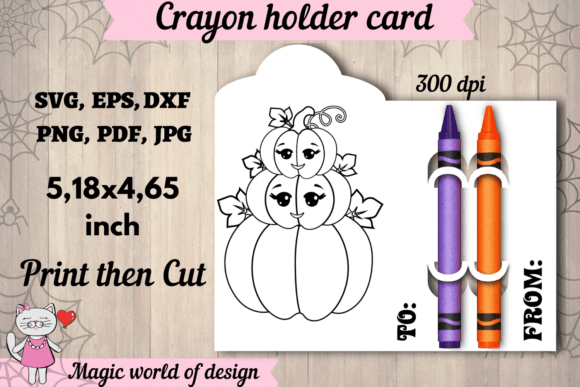
Review: Teacher Wooden Card Laser Cut CNC File
As a designer who spends half my life digitizing for needle and thread and the other half evaluating digital assets for craft businesses, I approach every new file with a healthy dose of skepticism. We are constantly bombarded with design assets that look crisp on a screen but fall apart in production. Today, I am looking at the Teacher Wooden Card Laser Cut CNC File. At first glance, the title suggests this is strictly for laser cutting machines, intended for wood or acrylic crafts. However, in the modern craft business, lines between mediums are blurring. Many of us use vector-based graphics as the foundation for complex machine embroidery design workflows, or we sell complementary products in our small shop product lines.
My goal here is not to review this as a pure embroidery file, because it is not. It is a Graphics product designed for Crafts involving laser cutters. But I want to evaluate it from the perspective of an embroidery professional who might use this asset for hybrid projects, applique templates, or cross-platform branding. If you are an Etsy seller or a boutique owner, understanding how a laser-cut design translates to fabric—or how it complements your embroidered goods—is vital for creating cohesive collections.
First Impressions and Visual Personality
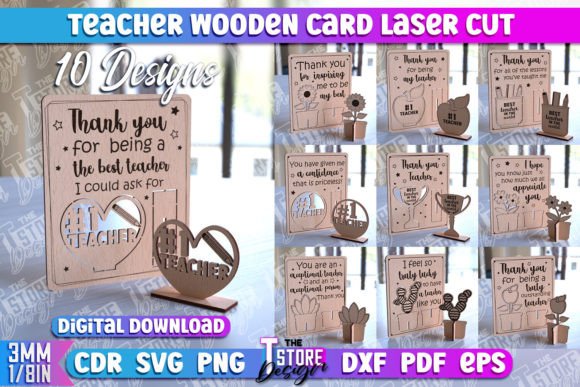
The Teacher Wooden Card Laser Cut CNC File carries a distinct mood. It is warm, appreciative, and classic. The theme is unmistakably educational, likely featuring motifs associated with teaching: apples, books, pencils, or heartfelt typography. For an embroidery designer, the visual personality is clean and bold. This is crucial. Whether you are cutting wood or stitching thread, fine details often get lost. The layout appears to prioritize clarity, which is a good sign for scalability.
When I visualize this design, I do not just see a wooden card. I see a potential template for a layered applique design. The sharp lines defined for cutting could easily serve as the boundary for fabric pieces in a complex embroidery project. The aesthetic fits perfectly into the "handmade teacher gift" niche, which peaks in May and December. It feels professional enough for a personalized gift but accessible enough for a hobbyist maker.
Real-World Application: Beyond the Laser Cutter
Let’s talk about a real case scenario. Imagine you are preparing a custom order for a local school’s end-of-year appreciation event. You are making custom apparel, specifically high-quality cotton tote bags and canvas aprons. While the Teacher Wooden Card Laser Cut CNC File is intended for wood, you can use the vector paths to create a precise stencil or an applique piece for these textiles.
For a tote bag design, you might cut the shape from felt or leather using the CNC instructions, then secure it onto the bag. From there, you would use a satin stitch or a wide running stitch to tack down the edges. This hybrid approach adds texture and value that standard flat embroidery cannot achieve. The result is a finished product that looks high-end and thoughtful. Similarly, for sweatshirt embroidery, this design could be adapted into a chest-left logo, where the clean lines ensure legibility even from a distance.
If you are strictly an embroiderer, you might use this graphic to inspire a digitized version. The shapes in the digital embroidery file category often lack the structural integrity needed for large-scale decor. By studying the cut lines of this CNC file, you can understand how to balance positive and negative space, ensuring your fill stitch areas do not become too dense or puckered.
Performance Considerations for Embroiderers
While this is a laser-cut file, applying its logic to embroidery requires caution. Here is where practical design judgment comes in. If you decide to recreate this motif as an embroidered patch or directly stitch it onto fabric, you must consider stitch density. Laser cuts remove material; embroidery adds bulk. A design that looks elegant in wood might look cluttered if every tiny detail is filled with thread.
Fabric texture plays a massive role here. On a smooth cotton or linen, the crisp lines of this teacher-themed graphic will shine. However, on textured fabrics like terry cloth towels or fuzzy fleece blankets, small details will vanish. If you are making baby embroidery items, such as onesies or burp cloths, you must simplify the design. Remove intricate inner details and focus on the main silhouette. Use a stabilizer that matches the weight of the fabric to prevent distortion, especially since teacher gifts often involve frequent washing.
Dark fabrics present another challenge. The Teacher Wooden Card Laser Cut CNC File likely relies on contrast. In embroidery, this means you need high-contrast thread colors. A white thread on a navy blue polo shirt works; a grey thread on black does not. Always test your color combinations on scrap fabric before committing to the final hoop size. Speaking of hoops, ensure the design fits comfortably within your standard 5x7 or 6x10 hoop without requiring excessive re-hooping, which can lead to misalignment.
Commercial Viability and Brand Consistency
For commercial embroidery professionals and small business owners, consistency is key. If you sell this as part of a teacher appreciation collection, does it match your other items? The clean, vector-based nature of this CNC file suggests a modern, minimalist brand aesthetic. It pairs well with simple sans-serif fonts and organic shapes. Using this design logic across your printable mockup previews and actual stitched items creates a cohesive brand identity.
Customer trust is built on quality. A poorly digitized design with loose threads or gaps destroys credibility. By using a well-structured source file like this CNC design as a reference, you ensure that your embroidered versions maintain structural integrity. It shows buyers that you care about the details. Whether it is a holiday embroidery piece for Christmas or a back-to-school item in August, the professionalism of the underlying design translates to perceived value.
Practical Designer Notes
Before you rush to buy or use the Teacher Wooden Card Laser Cut CNC File for your next venture, keep these practical tips in mind:
- Verify Licensing: The product description mentions it is for laser cutting. Check the license terms explicitly. Does it allow for commercial use of derived embroidery designs? Never assume. Contact the creator if the terms for design assets are unclear.
- Test on Scraps: If you adapt this for embroidery, always stitch out a test on the actual fabric you plan to use. Check for puckering and thread breaks.
- Check Contrast: View the design in black and white. If the details disappear in monochrome, they will likely get lost in stitching too. Simplify where necessary.
- Stabilizer Selection: For stretchy fabrics like t-shirts, use a cut-away stabilizer. For stable woven fabrics like aprons, a tear-away may suffice. The right stabilizer ensures the design lays flat.
- Hooping Strategy: If the design is large, consider using a magnetic frame or a floating method to keep the fabric taut without leaving hoop marks on delicate materials.
In conclusion, while the Teacher Wooden Card Laser Cut CNC File is technically a graphic for laser machines, its value to an embroidery designer lies in its clean structure and thematic relevance. It serves as an excellent reference for creating high-quality applique design work or hybrid textile projects. By respecting the differences between cutting and stitching, you can leverage this asset to create stunning, professional-grade handmade product offerings that resonate with teachers and customers alike.