Review: This Teacher’s Aide Runs on Coffee Design
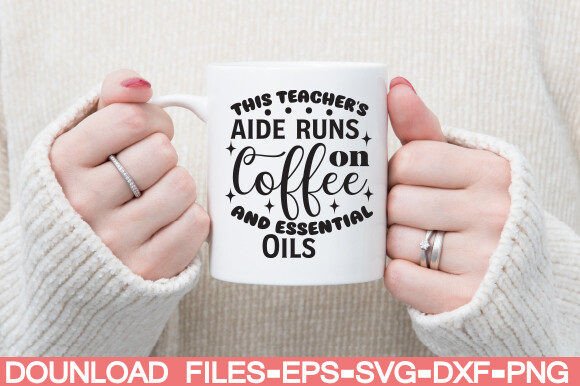
As a designer who spends more time staring at stitch simulations than I care to admit, I have learned that not every cute phrase translates well into thread. We have all seen those digital files that look perfect on a screen but turn into a tangled mess of bobbin thread and frustration once they hit the fabric. That is why I approach every new machine embroidery design with a healthy dose of skepticism and a stack of scrap fabric ready for testing. Recently, I pulled up the file titled This Teacher s Aide Runs on Coffee and E to see if it held up under professional scrutiny. For those of us in the Crafts and Graphics space, finding a design that balances wit with technical feasibility is half the battle.
First Impressions and Visual Personality
The first thing that strikes you about this design is its relatability. It taps into a very specific, high-energy niche: the educator support staff who survive on caffeine and aromatherapy. Visually, the layout feels balanced, likely utilizing a mix of script and sans-serif fonts to create contrast. In the world of embroidery project planning, this contrast is crucial. If the entire design were in a heavy block font, it would feel industrial. If it were all delicate script, it might lack readability from a distance. This design seems to aim for a friendly, approachable aesthetic that fits perfectly within the current trend of personalized, humorous apparel.
From a digital embroidery file perspective, the inclusion of SVG, DXF, and PNG formats in the ZIP folder suggests versatility. While I primarily evaluate the stitch potential, having vector files allows for easy scaling in other design software if you are creating composite design assets for printable mockups or hybrid craft projects. The 300 dpi PNG is a nice touch for those who might want to use the graphic for sublimation or iron-on transfers alongside their stitched items, adding value to your small shop product lineup.
Real-World Application: The Tote Bag Test
To truly understand how This Teacher s Aide Runs on Coffee and E performs, I imagined a real-life scenario. Picture a local elementary school looking for end-of-year gifts for their paraprofessionals and aides. A custom tote bag is a practical, high-use item. I visualized placing this design on a heavy canvas tote. The natural texture of canvas provides a sturdy base for stitching, allowing the threads to sit nicely without sinking into the weave.
In this context, the design acts as both decoration and identification. It is funny, yes, but it also builds community. When an Etsy seller or craft business owner offers this as a personalized gift, they are selling more than just thread on fabric; they are selling recognition. The mood is lighthearted but appreciative. For a sweatshirt embroidery project, the same logic applies. A crewneck sweatshirt in heather grey or navy would provide excellent contrast for lighter thread colors, making the text pop. The design feels right at home on casual wear, suggesting comfort and camaraderie.
Technical Considerations for Stitching
Now, let us talk about the nuts and bolts. Since this is a text-heavy design, legibility is paramount. When evaluating any typography-based applique design or standard stitch-out, I always check the kerning and line spacing. In embroidery, letters that are too close together can bridge with stray threads, especially if the stitch density is high. If you are using a fill stitch for larger letters, ensure the underlay is sufficient to prevent puckering, particularly on thinner fabrics.
For smaller elements, such as the icons representing coffee or essential oils, you need to be mindful of detail loss. Tiny details often require a running stitch or a simplified satin column rather than a complex fill. If the original file uses dense fills for small icons, I recommend manually adjusting the density in your embroidery software before stitching. This prevents the "cardboard effect" where the fabric becomes stiff and unyielding. Always test on scrap fabric first. This is non-negotiable. Check how the thread colors interact with your chosen fabric. A dark thread on a dark fabric might look sophisticated, but if the contrast is too low, the joke is lost.
Fabric and Hoop Constraints
Where should you use this design carefully? Curved surfaces like caps are tricky. If the design is wide, it may distort when stitched on a curved bill or panel. In such cases, consider breaking the design into two parts or choosing a smaller hoop size to maintain stability. For stretchy fabrics like performance tees, a cut-away stabilizer is essential to keep the design from warping after washing. Textured fabrics, such as terry cloth towels, can swallow up fine details. If you are stitching this on a kitchen towel, opt for bold thread colors and ensure the smallest elements are large enough to remain visible against the loops of the fabric.
Dark fabrics present another challenge. If you are stitching light-colored thread on black fabric, you may need to use a topping or a water-soluble stabilizer on top to prevent the fabric fibers from poking through the stitches. This ensures a clean, professional finished product that looks like it came from a boutique, not a hobbyist’s basement.
Commercial Viability and Brand Consistency
For commercial embroidery professionals and small business owners, consistency is key. This design fits well into a broader collection of educator-themed items. It pairs nicely with other teacher appreciation graphics, allowing you to create cohesive bundles for your online store. When customers see a well-executed, witty design, it builds trust. They perceive your brand as attentive and high-quality. A sloppy stitch-out, on the other hand, can damage that reputation instantly.
Using this design in your custom apparel line can drive engagement. It is shareable content. People love posting photos of their funny, relatable gear on social media. This organic marketing can boost your visibility as an Etsy seller or independent maker. However, always confirm licensing terms. Just because you bought the embroidery file does not automatically grant unlimited commercial rights. Check the included documentation to ensure you are compliant when selling handmade products.
Final Verdict for Makers
In conclusion, This Teacher s Aide Runs on Coffee and E is a strong contender for your next project cycle. It hits the sweet spot between humor and professionalism, making it ideal for holiday embroidery gifts, staff appreciation weeks, or everyday baby embroidery items for teacher’s pets—though perhaps stick to apparel for adults. Its strength lies in its emotional connection to the wearer. Technically, it requires standard best practices: proper stabilization, attention to thread tension, and careful fabric selection.
Whether you are creating an embroidered patch for a jacket or a full-front tote bag design, this graphic offers flexibility. Just remember to respect the limitations of your machine and your materials. Test, adjust, and stitch with confidence. When done right, this design does not just decorate a garment; it validates the hard work of educators everywhere, one stitch at a time.