Reviewing 100 Days of School Sublimation for Stitchers
As a designer who spends half my life digitizing and the other half stitching, I approach new assets with a healthy dose of skepticism. We all know the difference between a graphic that looks pretty on a screen and one that actually holds up under the needle. When I first encountered 100 Days of School Sublimation, my initial reaction was curiosity mixed with caution. This falls squarely into the Crafts and Graphics category, which usually implies high-resolution digital art intended for heat transfer or printing. But for us embroidery professionals, the question is always: how does this translate to thread?
The Visual Personality and First Impressions
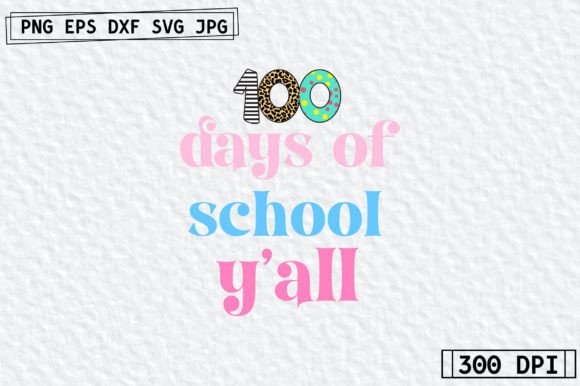
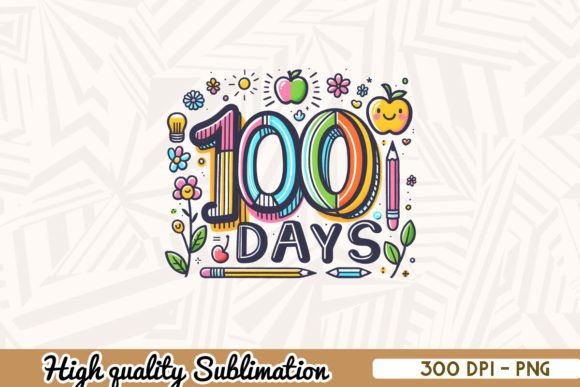
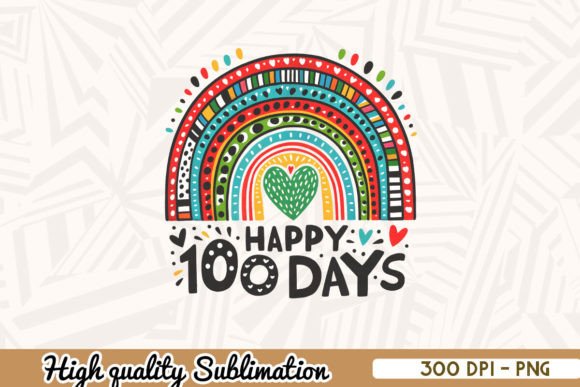
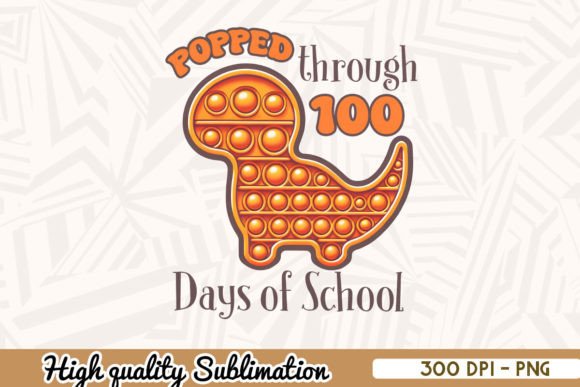
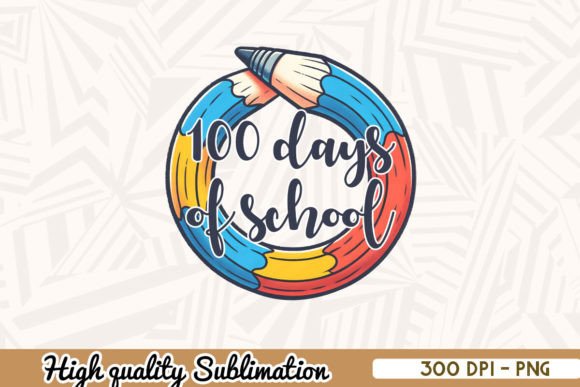
The mood of 100 Days of School Sublimation is undeniably playful and celebratory. It captures that specific milestone in early education where counting to one hundred feels like a monumental achievement. Visually, the design relies on bold shapes and clear typography, which is a good sign for potential adaptation. In the world of machine embroidery design, clarity is king. If the lines are muddy in the source file, they will be a nightmare to stitch.
From a layout perspective, the composition feels balanced. It does not appear overly cluttered, which suggests it could work well as a central motif on a garment. For an embroidery project, this kind of visual personality naturally belongs on items meant to be shown off, like a commemorative sweatshirt or a special tote bag. The theme is time-sensitive but evergreen in its annual recurrence, making it a reliable asset for seasonal planning.
Real-World Application: The Custom Sweatshirt Scenario
Let’s walk through a realistic scenario. Imagine a client comes to your small shop requesting a custom piece for their child’s 100th day of school. They want something durable, washable, and cute. While 100 Days of School Sublimation is marketed for iron-on transfers, an experienced maker knows that embroidery offers a higher perceived value. Here is how I would approach using this graphic as a reference for a stitched finished product.
I would start by analyzing the elements of the graphic. If the design includes large numbers or distinct icons, these are prime candidates for fill stitch areas. However, if there are intricate details or tiny text, I would need to simplify them. Embroidery cannot replicate the infinite resolution of a printed digital embroidery file or sublimation print. I would likely convert the main "100" into a bold appliqué shape to reduce stitch count and bulk, using a satin stitch border to define the edges cleanly. This approach transforms a flat graphic into a textured handmade product that feels premium.
For a sweatshirt embroidery project, the fabric texture is crucial. Fleece or heavy cotton blends require careful handling. If I were adapting this design, I would ensure the stitch density is adjusted so the garment does not pucker. A dense design on a soft sweatshirt can feel stiff and uncomfortable against the skin. By using the graphic as a visual guide rather than a direct auto-digitize source, I can create a personalized gift that breathes and moves with the wearer.
Versatility Across Products and Markets
Beyond apparel, this design has legs in other categories. Consider a tote bag design for teachers. Teachers love celebrating these milestones, and a sturdy canvas bag with an embroidered version of this theme could be a bestseller for an Etsy seller. The key here is scale. A tote bag offers a larger canvas, allowing for more detail without compromising stitch integrity. You could incorporate thread colors that pop against natural canvas, such as bright primaries or school-themed pastels.
Another viable option is an embroidered patch. Patches are incredibly popular in the current craft market. By digitizing this concept into a merrowed-edge patch, you create a versatile design asset that customers can iron or sew onto jackets, backpacks, or hats. This expands the utility of the original graphic far beyond its initial sublimation intent. It becomes a modular element in your craft business inventory.
For baby embroidery, such as a onesie or a bib, caution is required. Babies have sensitive skin, and bulky stitching can be irritating. If adapting this for infant wear, I would recommend using lighter weight threads and ensuring the back of the embroidery is clean and free of scratchy knots. A running stitch outline might be more appropriate than heavy fills for smaller baby items, keeping the look delicate and age-appropriate.
Technical Considerations and Potential Pitfalls
While the creative potential is high, there are technical hurdles to consider when moving from a sublimation graphic to needle and thread. One major concern is small lettering. If the 100 Days of School Sublimation file includes small text elements, these may not stitch out clearly at smaller sizes. In embroidery, text below a certain height becomes illegible. I always advise testing such elements on scrap fabric before committing to the final piece.
Fabric choice also plays a pivotal role. On dark fabrics, you must consider underlay stitches and potentially use a lighter top thread to ensure visibility. On stretchy fabrics, like jersey knits, proper stabilization is non-negotiable. Without a cut-away stabilizer, the design will distort after washing. This is a common mistake among beginners who try to translate printable graphics directly to fabric without accounting for material behavior.
Additionally, curved surfaces like caps present a challenge. The design needs to be warped or adjusted to fit the curvature of the hat. A flat graphic will look distorted if stitched directly onto a cap without proper digitizing adjustments. For commercial embroidery projects, consistency is key. If you are producing multiple units, ensure your digitized version maintains uniform tension and alignment.
Enhancing Brand Value and Customer Trust
Using high-quality references like 100 Days of School Sublimation can elevate your brand if handled correctly. Customers can tell the difference between a cheap, mass-produced transfer and a carefully crafted embroidered item. By taking the time to adapt the graphic, you demonstrate professionalism and attention to detail. This builds trust and encourages repeat business.
For small shop product lines, having a cohesive look is important. If this design fits your aesthetic, it can be part of a larger collection of school-themed items. Consistency in thread palette and stitching style helps in creating a recognizable brand identity. Whether you are selling at craft fairs or online, the tactile quality of embroidery adds a layer of luxury that prints cannot match.
Practical Designer Notes for Execution
Before you fire up your machine, here are some practical steps to ensure success. First, always check the licensing terms. Just because a file is labeled for sublimation does not automatically grant rights for commercial embroidery sales. Confirm whether the creator allows derivative works or stitched products for resale. This is critical for avoiding legal issues down the line.
Second, create a mockup. Use software to visualize how the design will look in thread. Check contrast by viewing the design in black and white. If the elements blend together in grayscale, they will likely lack definition when stitched. Adjust your color choices accordingly.
Third, test on similar fabric. Do not assume that what works on cotton will work on polyester or fleece. Run a test stitch-out to check for puckering, thread breaks, or registration issues. Pay attention to the hoop size requirements. Ensure your design fits comfortably within your available hoops without needing excessive re-hooping, which can lead to misalignment.
Finally, consider the end user. Will this item be washed frequently? If so, use high-quality rayon or polyester threads that resist fading and abrasion. Secure all jump stitches and trim loose ends meticulously. These small details contribute to the overall longevity and appearance of the custom apparel or accessory.
In conclusion, 100 Days of School Sublimation offers a solid foundation for creative adaptation. While it is designed for printing, its clear visuals and cheerful theme make it an excellent candidate for embroidery reinterpretation. By applying professional digitizing principles and respecting the limitations of the medium, you can transform a simple graphic into a cherished keepsake. Whether for a holiday embroidery gift or a staple in your small business merchandise lineup, the effort put into proper adaptation will pay off in customer satisfaction and product quality.