Reviewing Hello Pre-school for Embroidery Projects
As a designer who spends more time staring at stitch simulations than I care to admit, I have learned that not every cute graphic translates well to thread. We see thousands of digital files flooding the market, promising versatility and charm, but the real test is always in the hoop. Recently, I pulled up Hello Pre-school to evaluate its potential for a upcoming batch of custom orders. This isn’t just about whether the image looks good on a screen; it is about how it behaves when the needle hits the fabric. For embroidery designers, small business owners, and Etsy sellers, understanding the gap between a digital embroidery file and a finished product is crucial for maintaining professional standards.
First Impressions and Visual Personality
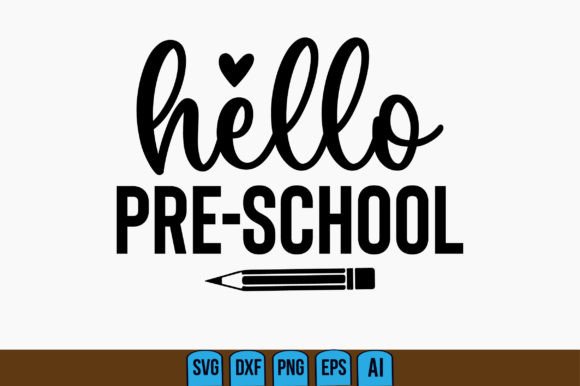
The first thing that strikes me about Hello Pre-school is its approachable, youthful energy. It captures that specific moment of transition—leaving the comfort of home for the structured world of early education. The layout feels balanced, avoiding the clutter that often plagues themed graphics. From a design perspective, the shapes appear clean, which is a promising sign for stitch clarity. When we talk about Crafts and Graphics in the context of embroidery, we are looking for lines that hold their integrity under tension. This design seems to prioritize readability, which is essential if you plan to use it on items that will be viewed from a distance, such as backpacks or tote bags.
The mood is optimistic without being overly saccharine. This makes it versatile. It doesn’t scream "baby" so loudly that it can’t be used for a slightly older child’s item, nor is it so generic that it lacks character. For a craft business owner, this balance is gold. It allows you to market the final piece to a broader audience, from parents preparing for the first day of school to grandparents looking for a meaningful personalized gift.
Real-World Application: The First Day Tote
To truly test Hello Pre-school, I imagined a specific real-life scenario: creating a custom embroidered tote bag for a nervous five-year-old. Tote bags are a staple for Etsy sellers because they are practical, high-visibility items. However, canvas can be tricky. It has a distinct weave that can interfere with small details. I visualized placing this design on a natural cotton canvas. The key here would be the choice of stabilizer. A cut-away stabilizer would likely be necessary to prevent the fabric from puckering around the text and graphical elements, ensuring the stitch density sits flat rather than pulling the material out of shape.
In this context, the design’s performance relies heavily on thread color contrast. If I were stitching this in white thread on a light beige bag, the details might get lost. But switching to a vibrant primary blue or a cheerful yellow would make the design pop. This is where the reviewer’s eye comes in: you must consider how the thread colors interact with the fabric texture. For a sweatshirt embroidery project, the same design would behave differently. The loft of the fleece would require careful digitizing to ensure the stitches don’t sink into the fabric. If the original file isn’t optimized for plush materials, you might need to adjust the underlay or choose a denser fill stitch to maintain visibility.
Navigating Technical Constraints
While Hello Pre-school shows promise, there are areas where caution is warranted. Any experienced embroiderer knows that small hoop sizes can be unforgiving. If you are attempting to fit this design into a 4x4 inch hoop, you must scrutinize the smallest elements. Are there tiny dots or thin lines that might break or bunch up? I always recommend testing the design on scrap fabric first, specifically using the same material you intend to sell. This is non-negotiable for professional commercial embroidery work.
Another consideration is the type of stitch used. If the design relies heavily on satin stitch for borders, it will look sleek and professional on smooth fabrics like polo shirts or aprons. However, on textured fabrics like terry cloth towels or denim, a satin stitch might not cover evenly. In those cases, a fill stitch or even an applique design approach might yield better results. Since the product description mentions compatibility with Cricut and includes SVG, PNG, EPS, DXF, and JPEG files, you have flexibility. You aren’t limited to machine embroidery alone. You could use the SVG for heat transfer vinyl (HTV) on a cap, where embroidery might be too bulky due to the curved surface.
Speaking of caps, this is a tricky surface for any design. The curvature distorts the visual perspective. If you plan to use Hello Pre-school on a dad hat or baseball cap, center it carefully and avoid placing critical details too close to the edge of the hoop. Distortion is the enemy of professionalism. Similarly, for stretchy fabrics like athletic wear, the running stitch elements need to be secure. Without proper stabilization, the design could warp after the first wash, leading to unhappy customers and damaged brand reputation.
Commercial Viability and Brand Consistency
For the small shop product creator, consistency is key. Does Hello Pre-school fit your brand aesthetic? If your shop specializes in minimalist, modern designs, this playful theme might feel out of place unless adapted with a monochromatic thread palette. Conversely, if your brand is all about bright, cheerful holiday embroidery and back-to-school specials, this design is a perfect fit. It enhances visual appeal by adding a narrative element to the product. Customers aren’t just buying a shirt; they are buying a memory marker for a milestone event.
The inclusion of multiple file formats in the zip package—SVG, PNG, EPS, DXF, and JPEG—adds significant value. It means you can create cohesive marketing materials. Use the PNG for social media previews, the SVG for printable mockups, and the embroidery-specific files for production. This versatility supports a streamlined workflow for creative entrepreneurs who need to move quickly from concept to listing. However, always confirm licensing terms. Just because you have the files doesn’t automatically grant unlimited commercial rights. Check the seller’s policy to ensure you can legally sell finished items featuring this design.
Practical Designer Notes for Success
Before you commit to a large production run, take these practical steps. First, inspect the design at 100% zoom. Look for overlapping paths or unnecessary nodes that could cause machine errors. Second, test it in black and white. If the design loses its definition without color, it may rely too heavily on hue rather than shape, which is a risk for long-term durability and recognition. Third, consider the end-user. Will this item be washed frequently? If so, ensure your thread choice is high-quality polyester or rayon that resists fading and breaking.
Finally, think about the presentation. A well-stitched embroidered patch or direct-to-garment design elevates the perceived value of the item. Clean trim threads, proper backing removal, and crisp edges signal quality. Hello Pre-school has the potential to be a standout item in your catalog, provided you respect the technical limitations of your equipment and materials. By treating the digital asset with professional rigor, you transform a simple download into a cherished handmade product that customers will trust and treasure.